
HCPC registration number – AS15206

Jade Gillies
MA, HCPC, BADTH
I currently work as a creative arts psychotherapist (dramatherapist), clinical supervisor, and organisational consultant. I have over 15 years’ experience working in adult, adolescent, and child mental health, with particular interests in trauma, mental health & wellbeing early intervention, and positive mental health maintenance. My masters focused on the effectiveness of quality multidisciplinary teamwork and using creativity & movement to help people process their life experiences. I also have qualifications to diploma and certificate level in Clinical Supervision, Cognitive Behaviour Therapy, Trauma specialist practices and Coaching.
The Four main values of my work are creativity, connection, compassion, and courage. These principles are interwoven into all my work to ensure my integrative model is supportive, effective, and authentic.
My approach to therapy is based on the fact that people are unique and distinctive and therefore one approach may not fit them all. I place the client-therapist relationship at the heart of an effective therapeutic process providing an honest and non-judgmental stance where your feelings can be expressed and contained in a safe and confidential setting. My integrative approach allows me the flexibility to adapt to your needs and where you are at the time of therapy.
I love Brene Brown’s ethos of ‘Soft Front, Strong Back, Wild Heart.’ I hope to journey with clients to help them to find ways to feel safe enough to vulnerably share emotions and their story, tap into their own strength & resilience, whilst dreaming with hope about what is possible as they develop their sense of identity, purpose and understanding of who they are and how their experiences impact their view of the world.
My roles in the education and charity sectors have given me opportunities to develop therapy services, staff wellbeing services, staff training & family support services. I have also had the opportunity to take a strategic lead in developing policies and governance models that ensure positive mental health is promoted and embedded within organisational culture. My work in the charity and private sector has given me the opportunity to strategically develop clinical services and support/monitor their implementation. I work regularly with a range of statutory agencies, so I am aware of the challenges and strengths of these systems.
I have recently become a trustee for the charity foundation of a League One English Football team, enabling me to give back to my local community. I am enthusiastic about this role as it ensures that I am a part of a strategic project to improve the infrastructures and fabric of our society so that generations to come can flourish. Desmond Tutu said: ‘There comes a point where we need to stop just pulling people out of the river. We need to go upstream and find out why they’re falling in.’ I relish the opportunity to support strategies that look holistically at the challenges we are facing and how to effectively change these.
I enjoy cooking, reading, boxing, walking and theatre. Spending time with people I love brings much joy to my life. These passions and relationships inform my professional narrative to ensure my approach is holistic and innovative.
“So often, when we feel lost, adrift in our lives, our first instinct is to look out into the distance to find the nearest shore. But that shore, that solid ground, is within us. The anchor we are searching for is connection, and it is internal”
Brené Brown
Atlas of the Heart
Qualifications
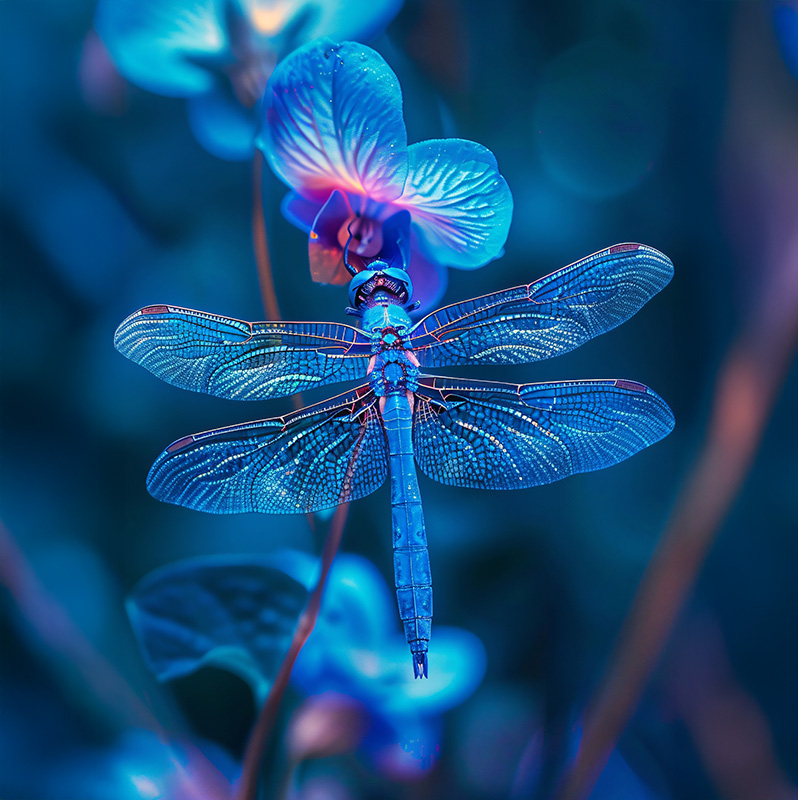
The Dragonfly
The dragonfly represents change and harmony of the inner and outer aspects of self (von-Franz 1970: 237). I hope that clients find this metaphor helpful when thinking about the journey of empowerment that can come from therapy.
Alongside the metaphor of the dragonfly often clients find the story of the tree a helpful way to think about how to flourish despite difficult circumstances or complex relationships. There is a young tree beginning to grow and as it grows it becomes injured. It continues to grow around the injury. As the tree continues to develop, the wound becomes relatively small in proportion to the size of the tree. Gnarls, burls, and misshapen limbs speak of injuries and obstacles encountered through time and overcome. The way the tree grows around its past contributes to its exquisite individuality, character, and beauty. The tree continues to grow, and the gnarl becomes just one part of the tree; it is a beautiful part that has become a place for birds to live or squirrels to sit.